Refrigerators, freezers, ice makers, wine coolers
Appliance Repair in Charlotte, North Carolina
Charlotte Fridge Repair focuses on the appliances that keep your food cold. Read what the symptoms usually mean, then call a real person who can help.
A focused local resource
Refrigeration repair for Charlotte homes, explained clearly
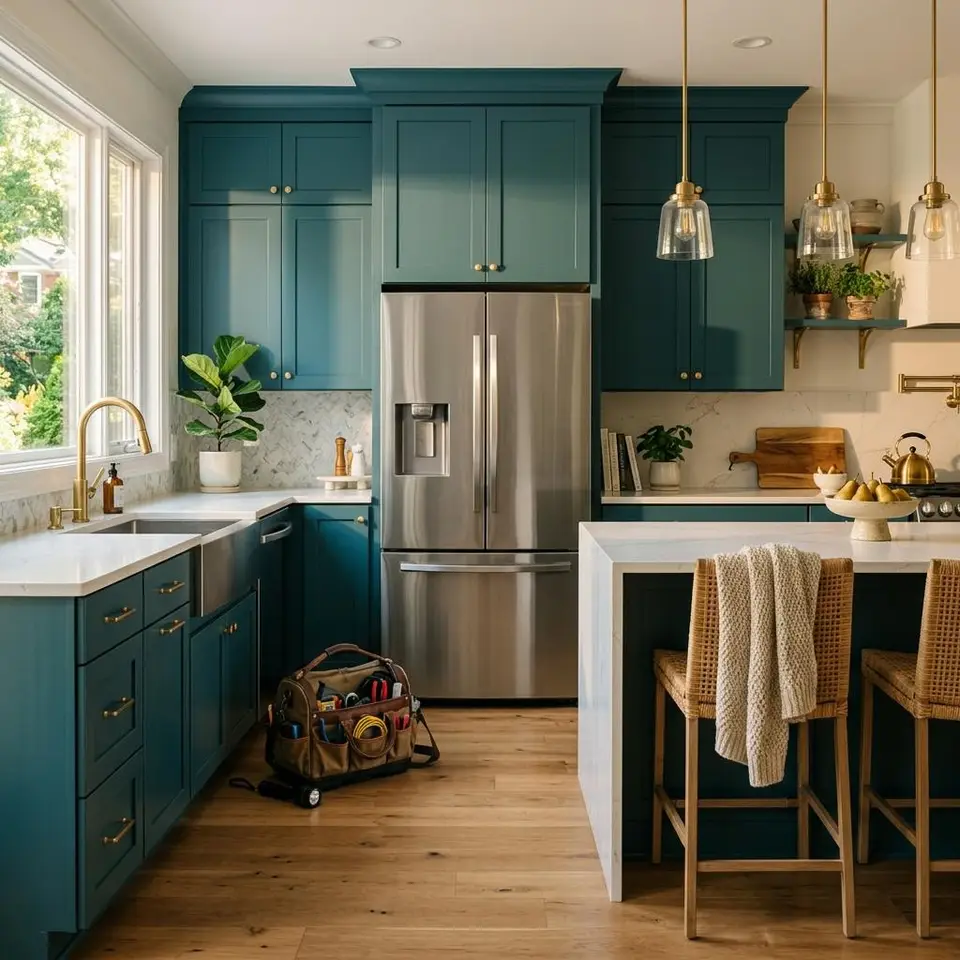
When a refrigerator starts running warm, most people want two things: a sense of what might be wrong and a phone number that reaches someone who can fix it. This site is built around exactly that. It covers appliance repair in Charlotte, North Carolina with a narrow focus on refrigeration, from everyday refrigerators and freezers to ice makers, built in units and wine coolers.
There are no forms to fill out and no request queues. Each service page explains the warning signs, the parts usually involved and a few safe checks you can make yourself. When you are ready, a single call during business hours gets the conversation started.
 01
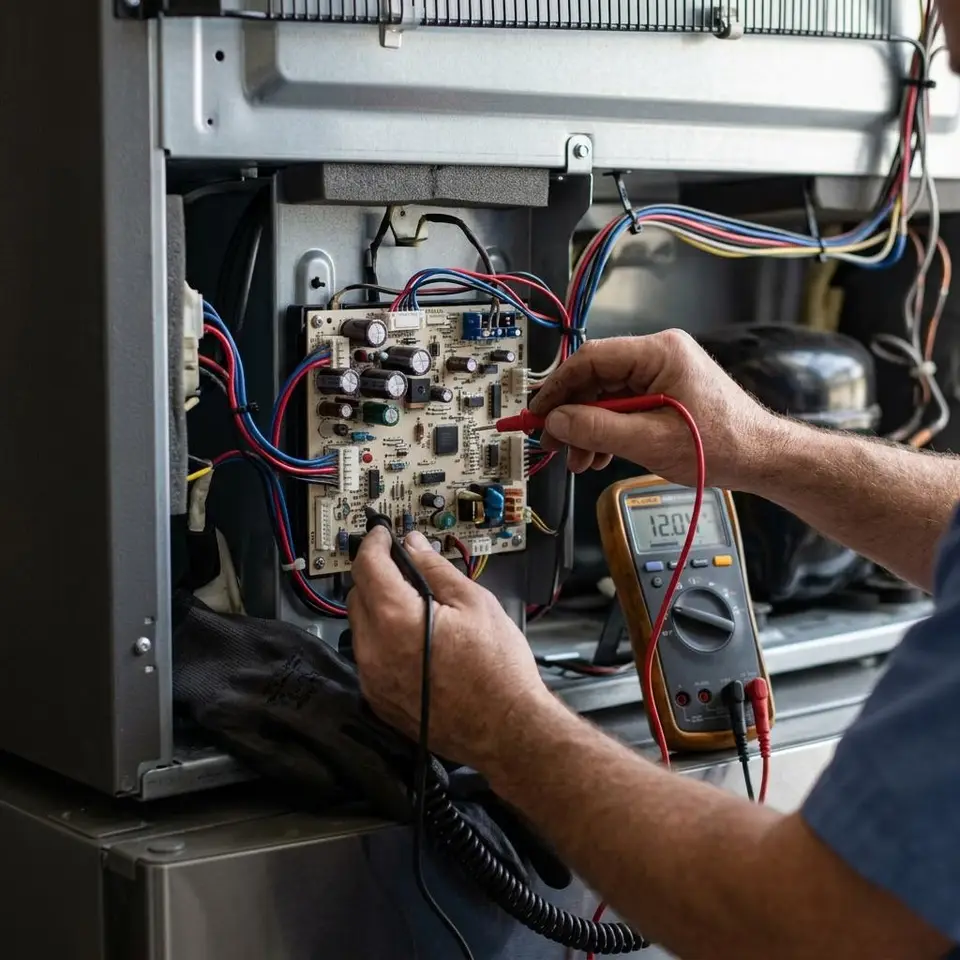
Refrigerator Repair
Warm fresh food sections, constant running, strange noises, leaks and controls that stopped responding.
Refrigerator Repair details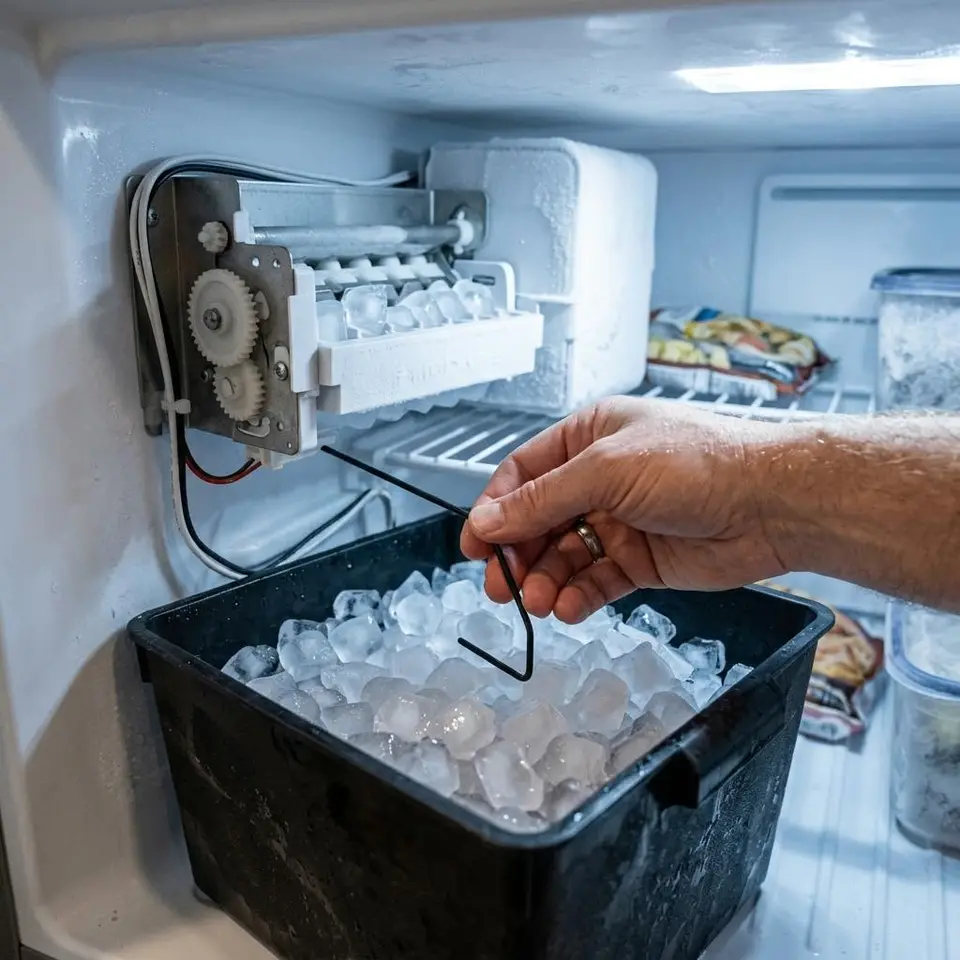 02
Ice Maker Repair
No ice, slow ice, hollow cubes, jams and leaks from built in and freezer mounted ice makers.
Ice Maker Repair details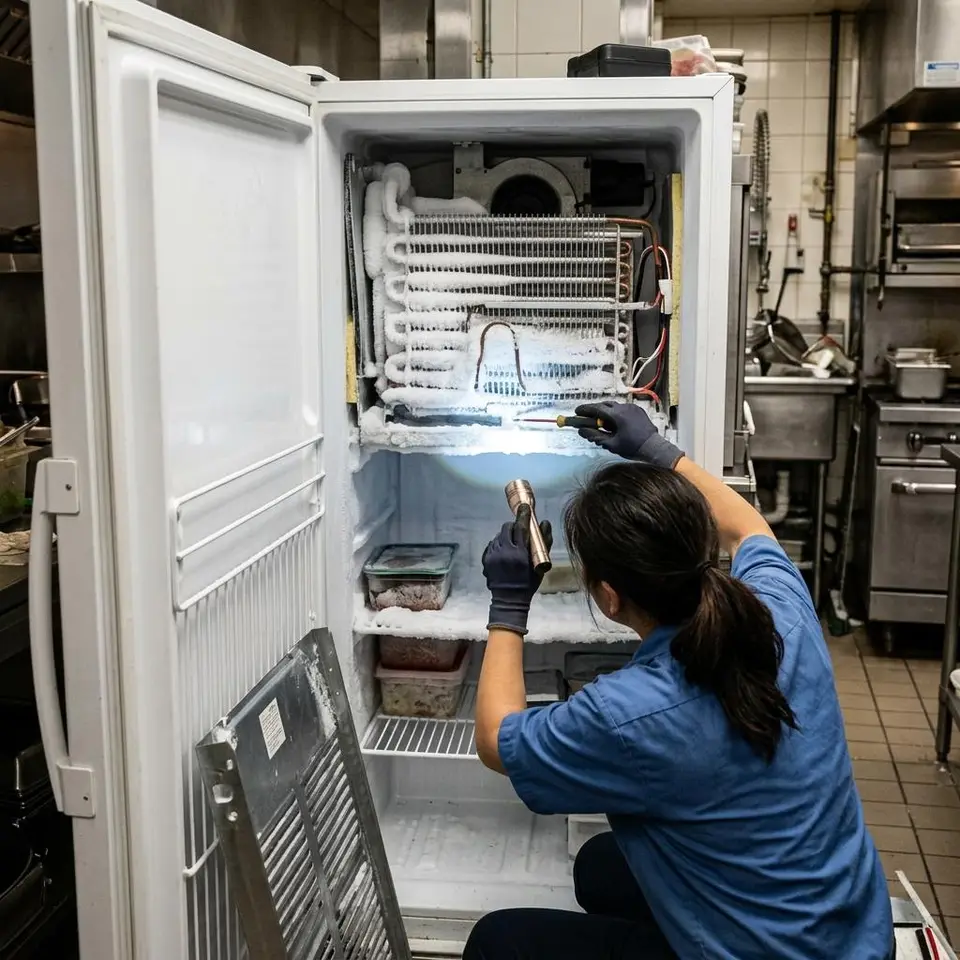 03
Freezer Repair
Soft ice cream, heavy frost, freezers that will not shut off and standalone upright or chest units.
Freezer Repair details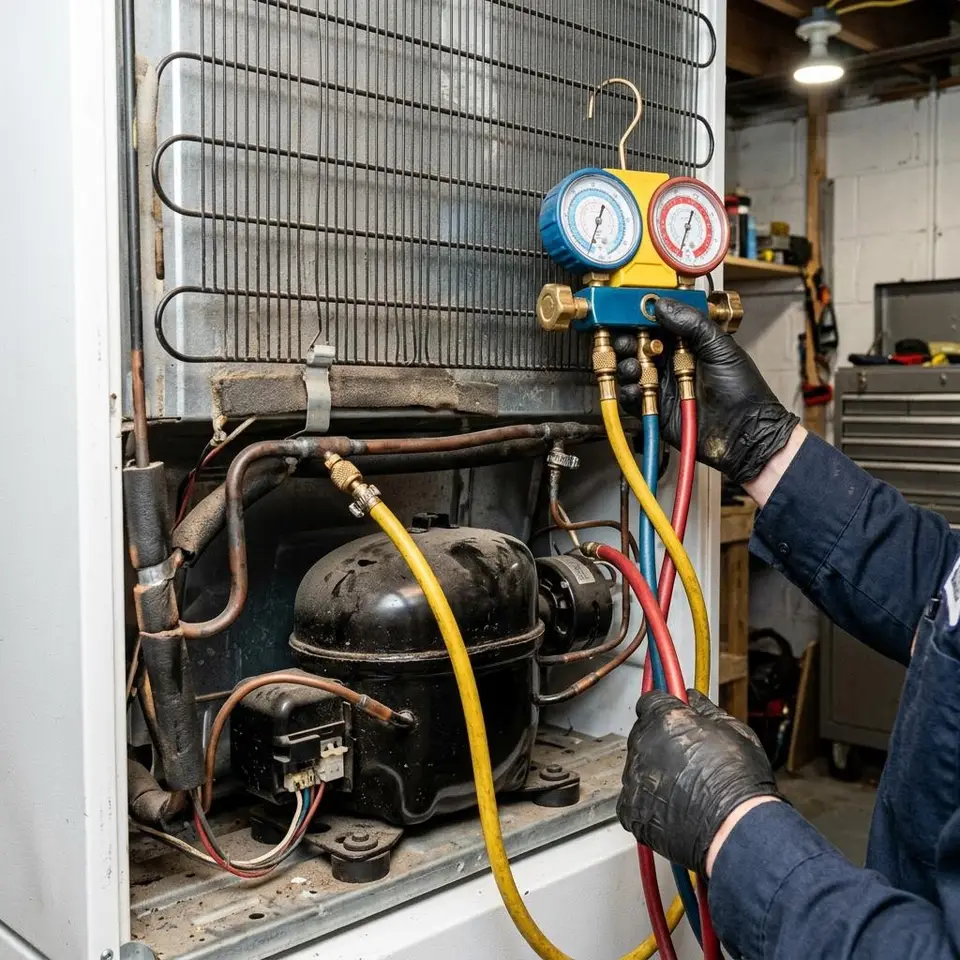 04
Refrigerator Sealed System Repair
Compressor, refrigerant, condenser and evaporator problems that sit deeper than fans and controls.
Refrigerator Sealed System Repair details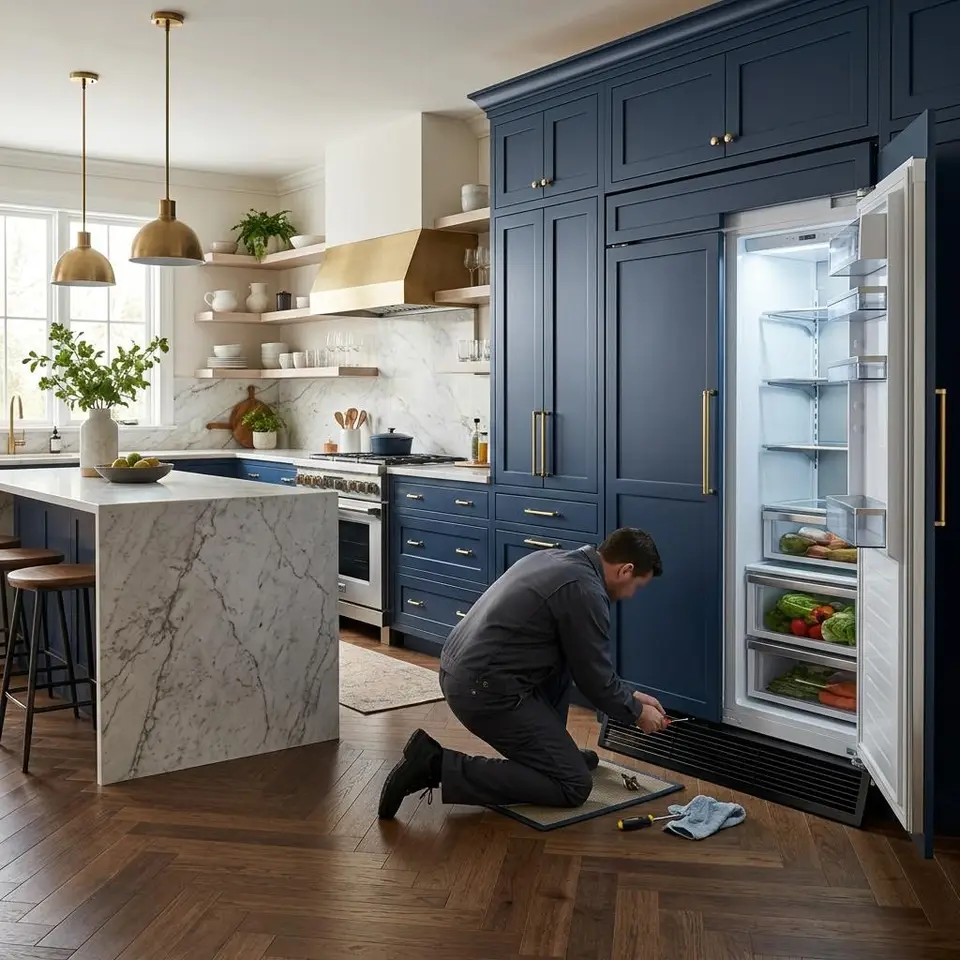 05
Built In Appliance Repair
Panel ready and cabinet integrated refrigeration, column units and undercounter drawers.
Built In Appliance Repair details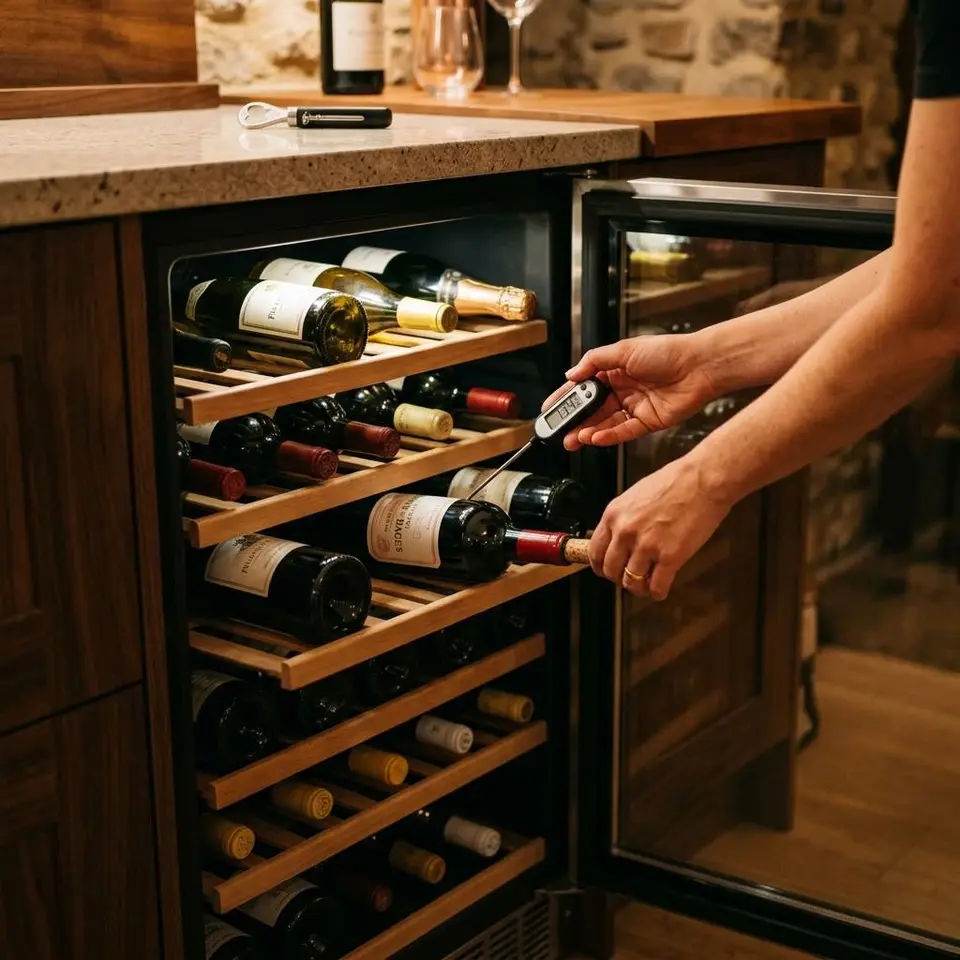 06
Wine Cooler Repair
Freestanding and undercounter wine coolers that run warm, swing in temperature or stop cooling.
Wine Cooler Repair details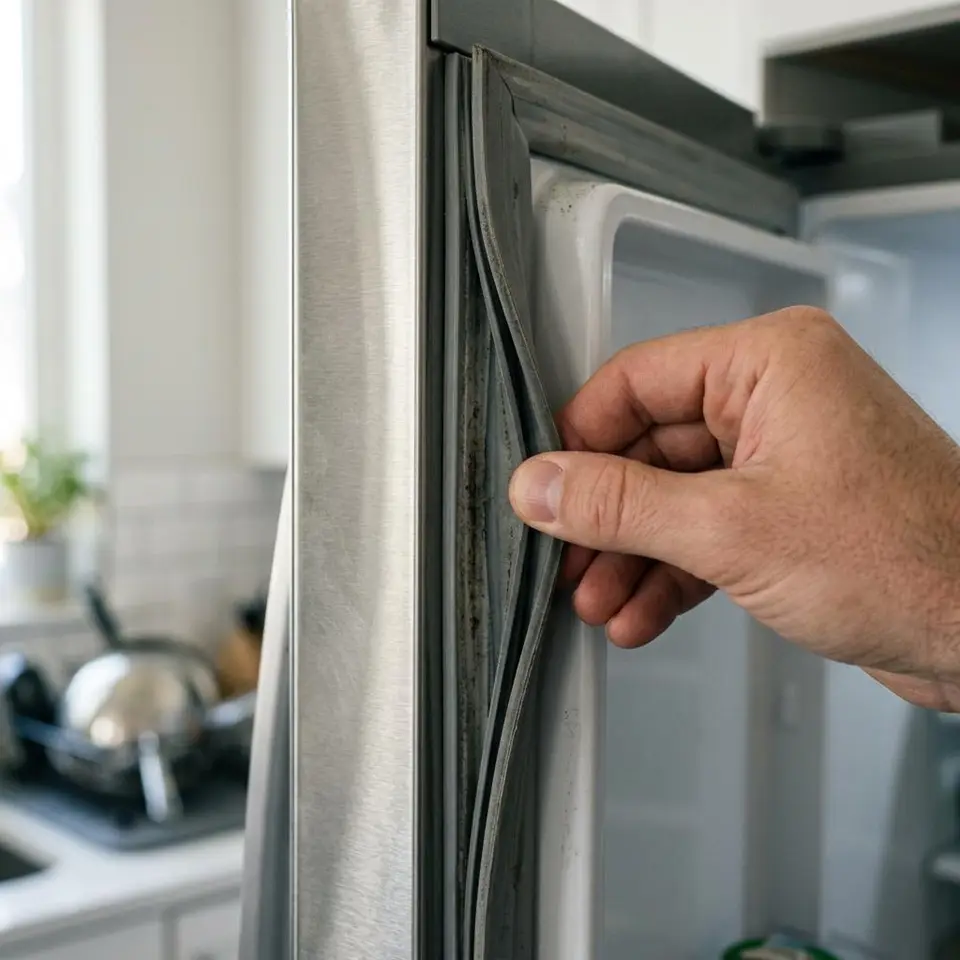
Small parts, like a worn door seal, can make a refrigerator work much harder.
How a repair call works
Four steps from first call to a clear answer
Every appliance is different, but the path toward a fix follows a steady pattern. Knowing it ahead of time makes the call shorter and the visit more useful.
- 01
Call and describe it
Tell us what the appliance is doing, when it started and anything you have already tried. A clear description shapes everything that follows.
- 02
Share the model
The brand, model and serial number from the label inside the cabinet help identify the design and the parts it uses.
- 03
Diagnosis at home
The appliance is tested where it lives: temperatures, fans, defrost parts, controls and, when needed, the sealed system.
- 04
A plain explanation
You hear what failed and what the repair involves, in ordinary language, so the decision stays yours.
Charlotte conditions
Long, humid summers ask a lot of refrigerators
Charlotte kitchens, garages and utility rooms warm up for months at a time. Every refrigerator and freezer has to push that heat back out through its condenser, so dusty coils, tired fans and worn gaskets tend to show themselves when the weather turns hot.
Garage freezers and second refrigerators feel this most. If yours starts running nonstop in July, it is worth a closer look before the food inside is at risk.
Before you pick up the phone
- Find the model and serial number label, usually on an inside side wall, near the top of the fresh food section or behind the bottom grille.
- Note the symptoms: warm, frosted, leaking, noisy, or not making ice, and roughly when they began.
- Write down any error code on the display panel.
- Keep the doors closed as much as possible to protect what is inside.
Direct line
Talk to someone about your refrigerator today
No forms and no waiting for a callback request to be read. Call during business hours, describe what the appliance is doing, and get straight to the next step.